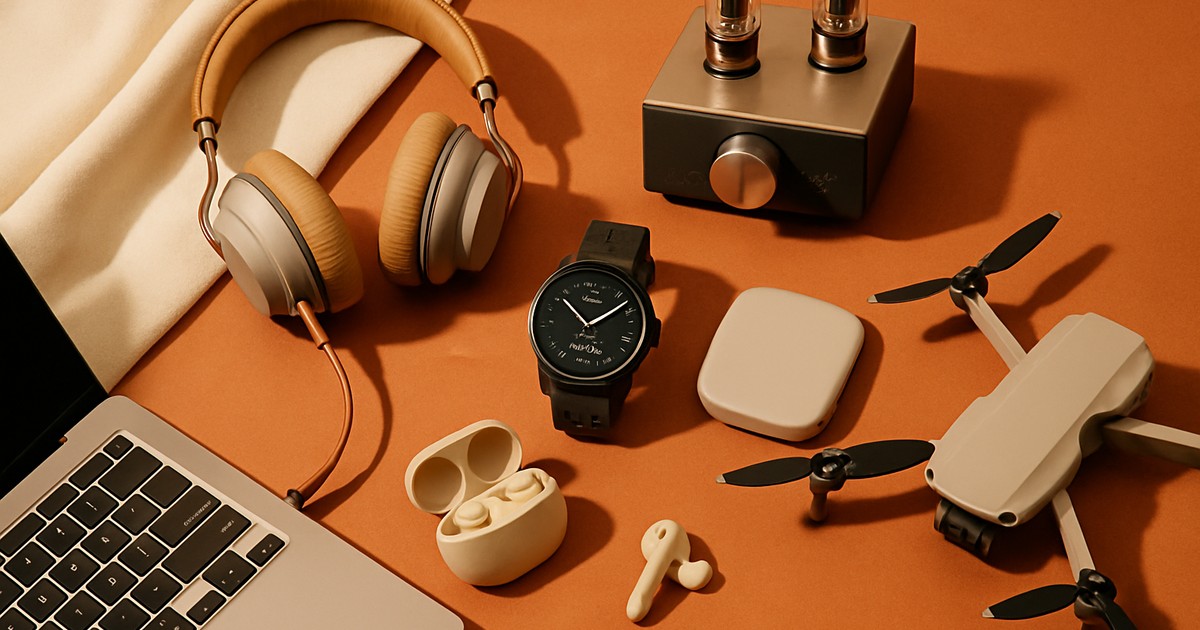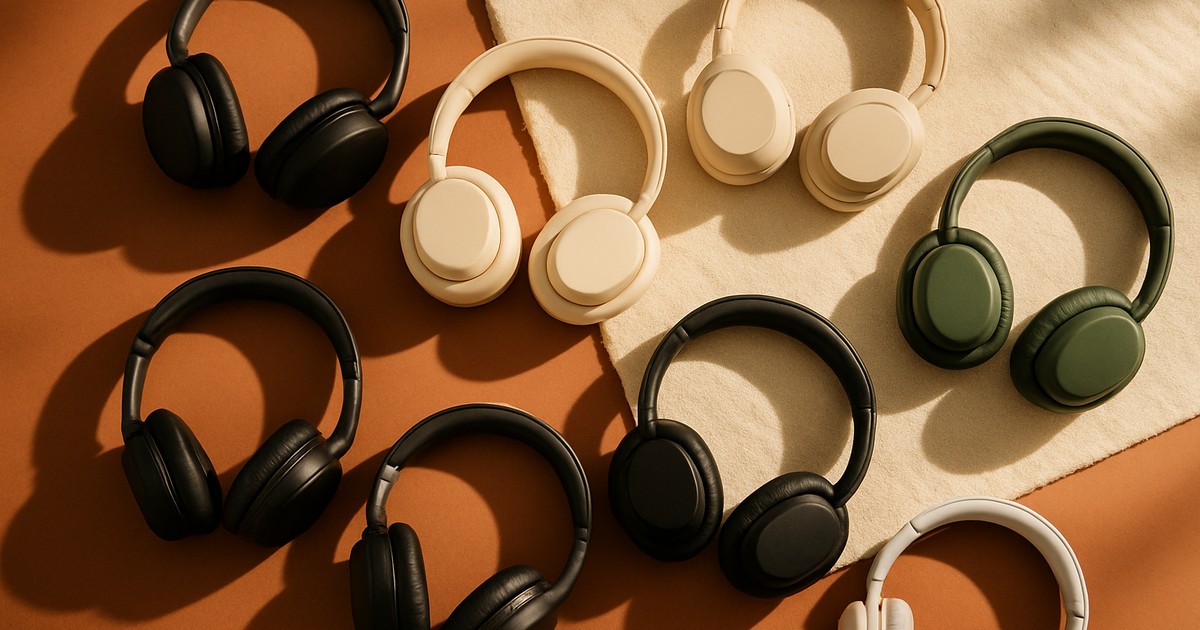
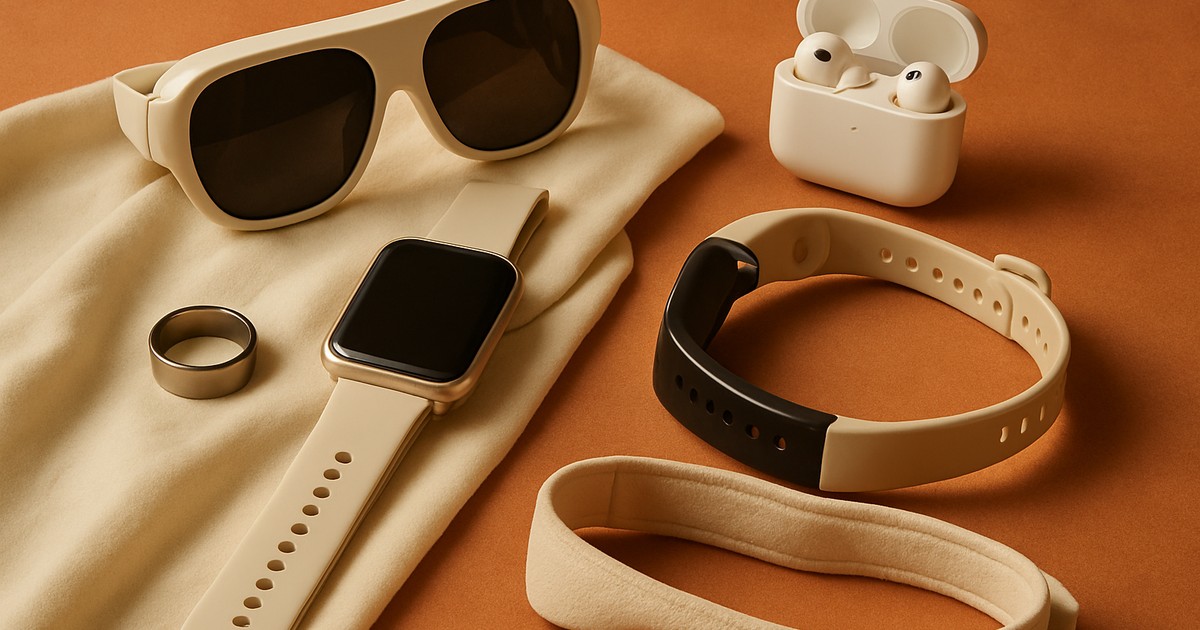
The wearable technology market experienced a veritable deluge of new releases this April, as industry giants and newcomers alike sought to capture consumer attention with their latest innovations. Among the most talked-about launches were Apple’s AirPods Max 2, featuring the advanced H2 chip, and the Shokz OpenFit Pro open-ear headphones, boasting a remarkable 50-hour battery life in their case. Also making waves were the latest satellite-connected sports watches, promising unparalleled connectivity, and an intriguing array of smart glasses equipped with real-time translation capabilities. In this feature, we dissect which of these heavily hyped devices offer genuine long-term value and which are likely to fade into obscurity as fleeting gadgetry trends. By evaluating their technological advancements, practical benefits, and market potential, we aim to guide our readers toward informed purchasing decisions amidst this dizzying array of high-tech options.
Context
Wearable technology has evolved rapidly over the past decade, becoming an integral component of everyday life for many. This evolution has been driven by significant strides in microelectronics, connectivity, and artificial intelligence, enabling devices to provide functionalities that were once confined to science fiction. The market, once dominated by basic fitness trackers, now includes sophisticated devices capable of monitoring health, enhancing productivity, and even augmenting reality. April 2026 has proven to be a particularly noteworthy month, with several high-profile launches highlighting the industry’s dynamic nature.
Apple has once again set the stage with the release of the AirPods Max 2, incorporating their new H2 chip. This advancement promises not only improved sound quality but also enhanced noise cancellation and battery efficiency. Meanwhile, the Shokz OpenFit Pro headphones cater to audiophiles who value comfort and extended battery life, featuring an open-ear design that keeps users aware of their surroundings. Such features are increasingly important in a society that prioritizes multitasking and constant connectivity.
Moreover, the introduction of satellite-connected sports watches marks a significant leap forward in wearable technology, offering users the ability to stay connected in remote locations without relying on terrestrial networks. This has been eagerly anticipated by outdoor enthusiasts and athletes. Finally, the emerging category of smart glasses, now equipped with real-time translation, represents a bold step toward seamless global communication, breaking down language barriers in an increasingly interconnected world.
What Happened
This month, Apple unveiled the AirPods Max 2, packed with the highly anticipated H2 chip, during their Spring Forward event on April 6th. The H2 chip is a leap forward, providing superior audio quality and improved computational audio capabilities. Apple claims that these enhancements will transform users’ listening experiences, offering richer soundscapes and more precise active noise cancellation. Early reviews have noted the device’s impressive ability to adapt to different environments, making it a strong contender for audiophiles and everyday users alike.
On the same day, Shokz launched the OpenFit Pro, an open-ear headphone designed for long-lasting comfort and durability. Its standout feature is a 50-hour battery life provided by its charging case, a substantial improvement over previous models. This device is particularly appealing to those who require extended listening times without frequent interruptions for recharging, such as long-haul commuters and travelers. The open-ear design also ensures situational awareness, catering to users who need to remain cognizant of their environment while enjoying their audio content.
Satellite-connected sports watches have emerged as another intriguing entrant in the wearable landscape, spearheaded by brands such as Garmin and Polar. These devices leverage satellite technology to ensure connectivity in areas where traditional networks fall short. Offering critical features like real-time tracking and emergency alerts, they promise to be invaluable tools for athletes and outdoor adventurers alike. The smart glasses segment also saw significant advancements, with several models incorporating real-time translation features. These devices aim to facilitate communication across languages instantly, a feature that has garnered attention from frequent travelers and businesses operating in multilingual environments.
Why It Matters
The significance of these new wearable releases extends beyond their immediate technological appeal, holding broader implications for various sectors. For consumers, the enhanced capabilities of these devices translate into improved convenience and functionality. The AirPods Max 2, for instance, not only elevate the audio experience but also set a new standard for battery life and noise-canceling technology. This could push competitors to innovate further, driving the entire industry forward.
The introduction of satellite-connected sports watches is a game-changer for industries reliant on outdoor activities. These watches offer the assurance of connectivity in remote areas, potentially transforming the landscape of adventure sports, rescue operations, and environmental research. Their ability to provide real-time data and emergency services access could revolutionize safety protocols and operational efficiency in challenging environments.
Smart glasses with real-time translation could have profound effects on global communication. As businesses expand across borders, the ability to communicate seamlessly in different languages becomes increasingly crucial. These devices might not only enhance personal convenience but also serve as vital tools in international business, tourism, and education, fostering greater cultural exchange and understanding. The ongoing development and integration of such technologies could redefine how individuals and corporations interact across linguistic and geographical divides.
How We Approached This
In crafting this ranked review, we meticulously analyzed product specifications, user feedback, and expert reviews to assess the long-term viability of these wearable devices. Our approach was rooted in understanding the technological advancements each device offers and how these innovations align with current consumer needs and industry trends. We prioritized devices that deliver tangible benefits and address genuine user pain points, ensuring our rankings reflect enduring value rather than ephemeral hype.
We also considered the broader market context and potential future developments. Our editorial lens emphasizes not just the novelty of these technologies but their capacity to influence and shape the market. By focusing on enduring innovation rather than transient excitement, we aim to provide our readers with a thoughtful perspective on the true staying power of these new wearables. Our commitment to delivering insightful, well-researched content remains at the forefront of our editorial mission.
Frequently Asked Questions
What makes the AirPods Max 2’s H2 chip special?
The H2 chip in the AirPods Max 2 represents a significant technological upgrade, enhancing audio quality and noise cancellation capabilities. This chip allows for more precise sound processing, delivering richer audio experiences and adapting to environmental changes in real-time. The chip also improves battery efficiency, enabling longer listening times without sacrificing performance, positioning the AirPods Max 2 as a leader in high-end headphone technology.
How do satellite-connected sports watches improve outdoor activities?
Satellite-connected sports watches enhance outdoor activities by providing reliable communication and tracking capabilities in remote areas where traditional networks are unavailable. These devices offer real-time location tracking, emergency alerts, and access to vital information, making them essential tools for adventure sports and safety. Their ability to maintain connectivity regardless of terrain ensures users can explore more confidently and securely.
Are smart glasses with translation features practical for everyday use?
Smart glasses with translation features are increasingly practical for everyday use, especially for frequent travelers and professionals in multilingual environments. These devices offer real-time language translation, enabling seamless communication without language barriers. While still evolving, current models are becoming more user-friendly, integrating smoothly into daily interactions and offering significant convenience and efficiency in diverse settings.
As wearable technology continues to advance, the latest releases of April 2026 demonstrate both the potential and the challenges of innovation in this field. While some devices will inevitably find enduring success, others may serve as stepping stones to further advancements. The key takeaway for consumers and industry observers alike is to focus on products that deliver substantial, lasting benefits. This approach will ensure that the next wave of wearable technology not only captures our imagination but also meaningfully enhances our lives. Whether it’s through improved connectivity, audio experiences, or cross-cultural communication, the future of wearables holds immense promise for shaping a more connected and efficient world.